
Spinnakers and gennakers
Headsails 120 to 180 TWA
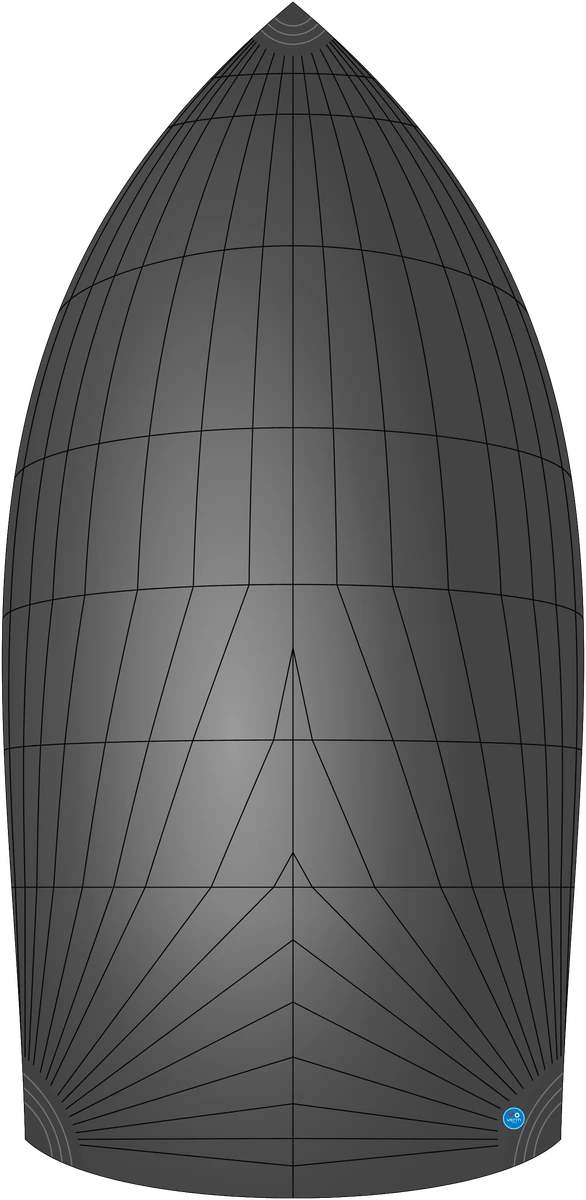
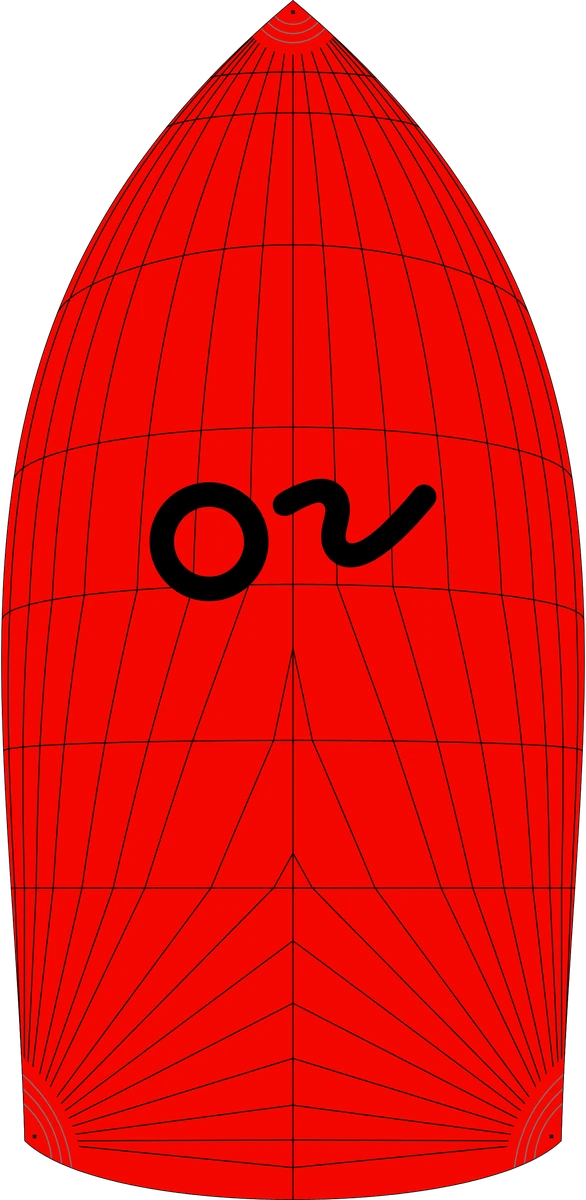
Spinnakers and gennakers for downwind sailing.
Constant evolution
Until a few years ago, downwind sails, symmetric and asymmetric, were only radial nylon spinnakers and gennakers. Between cruising and racing, what changed was the shape, the weight and the finish of the nylon: softer for cruising, to absorb shocks as much as possible, stiffer and more heavily finished for racing, to favour shape stability. These sails are still the most common and their technical development continues: for racing there are many designations, depending on wind strength and the ideal angle. For some boats nylon is still the best solution.
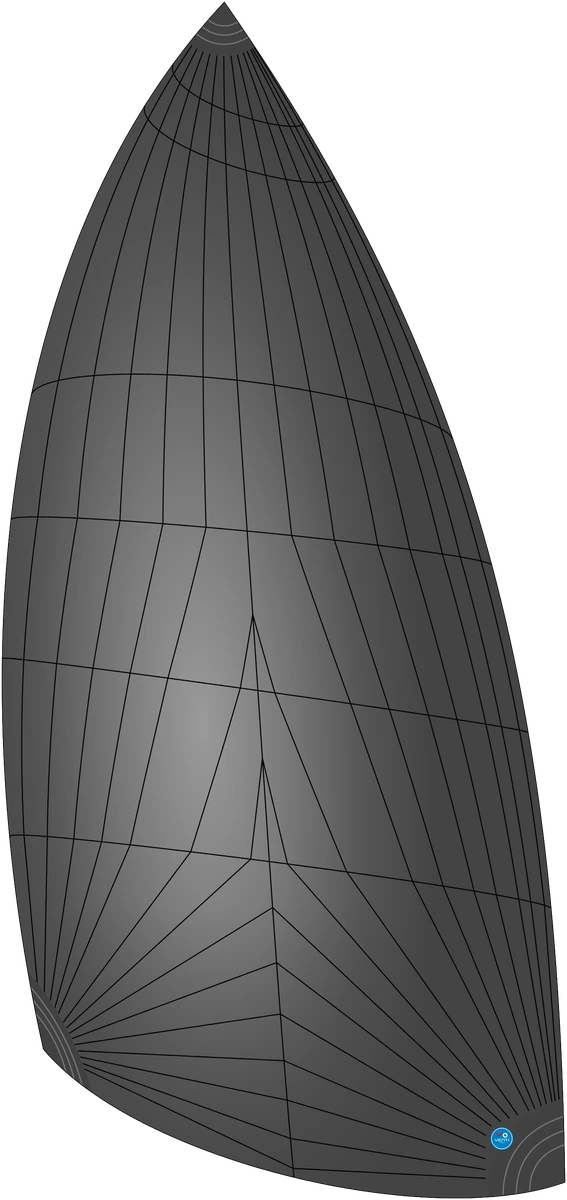
Furling sails, however, are becoming more and more common: Code 0s, ones and twos, again with many designations depending on the number of sails on board and their range of use. Furling systems are so practical that sometimes the gennaker is no longer taken on board. A code can be designed to work from a close reach in light air to a broad reach in medium or strong wind.
It is a change to weigh carefully, especially on a cruising or racing boat that struggles to plane: in that case a large nylon sail is still the one that gives the best VMG towards a downwind target, whether a mark or a harbour. A code can be made very similar to a gennaker, but at the widest angles something is always lost.
For every boat we start from a wide range of fabrics, shapes and construction technologies, and choose the ones best suited to the boat and the crew. We also consider the most sensible handling system for the rig and for the crew who will use the sail: a top-level crew will want a zip and a retriever, a short-handed crew a furler. For cruising we add UV protection, so the sail does not have to be lowered after every outing.
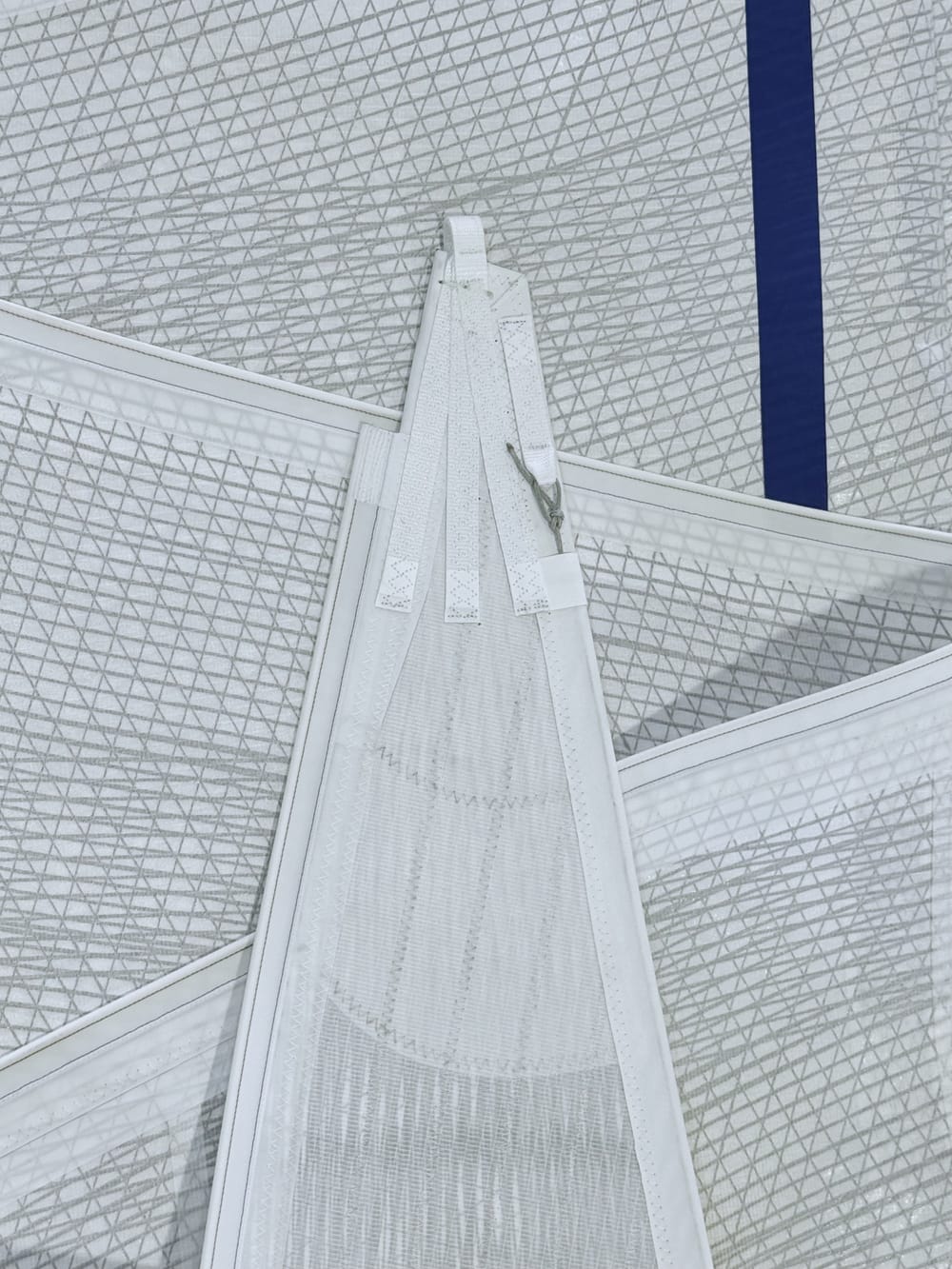
For top-level racing we use our L-Link Framed G+ technology to bring low-stretch fibres into the codes and gennakers used at tighter angles, choosing the mix of fibres and the layout that balance weight, elasticity and hold under load.
Between these extremes there are woven polyester fabrics, more stable than nylon but less able to absorb shocks: that is why they are used in heavier weights and on sails that work at tighter angles. Finally, for Code 0s, light laminates with polyester taffeta and structural polyester or aramid fibres are widely used, excellent solutions for beam reaching and broad reaching sails.
Discover the Graphene patent →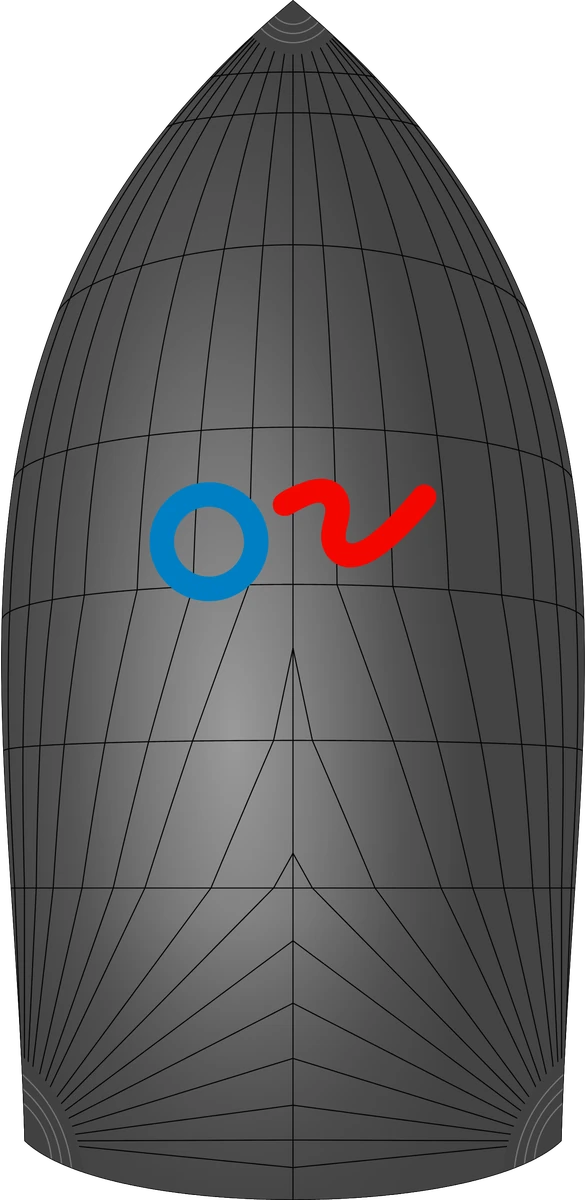
Racing headsails 120 to 180 TWA
Symmetric and asymmetric spinnakers for maximum VMG downwind.
Discover →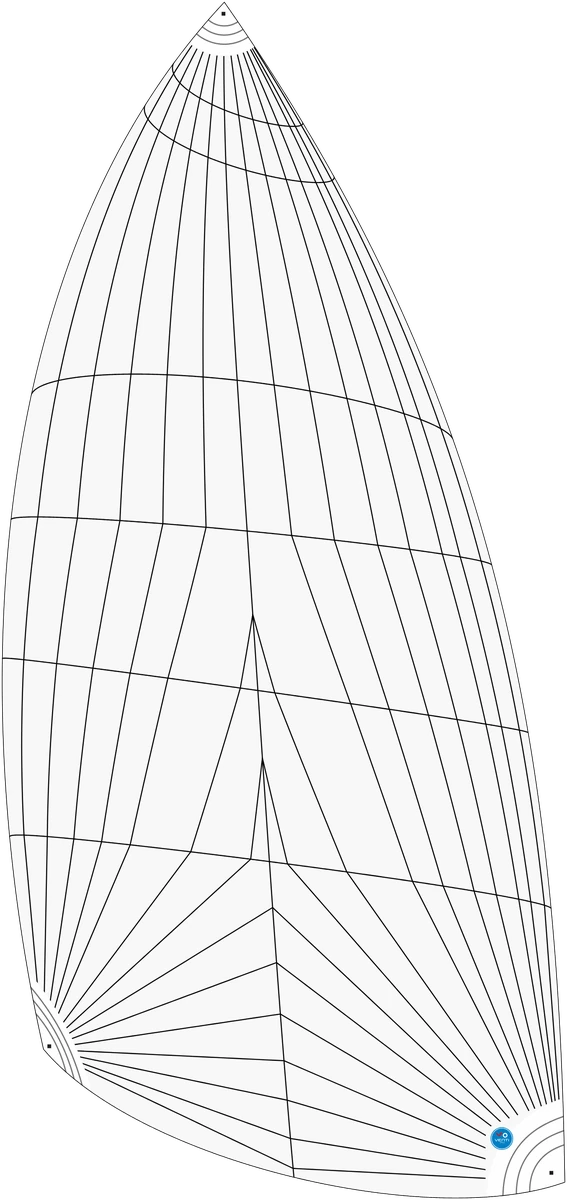
Cruising headsails 120 to 180 TWA
Gennakers and spinnakers for downwind sailing: light, to make the most of even light winds.
Discover →